What is Lubricant Additive Component?
Lubricant additive components are specialty chemical raw materials formulated to modify, enhance or tailor the performance of base oils and greases. Base lubricants alone cannot meet the complex working demands of modern machinery. These additive components are blended at precise treat rates to compensate for the inherent limitations of base stocks, delivering targeted functions such as friction reduction, extreme pressure protection, anti-corrosion, rust prevention and oxidation stability. They are core building blocks for formulating finished engine oils, hydraulic oils, gear oils, metalworking fluids and industrial greases.
Types of Lubricant Additive Components
Organic Molybdenum
Organic molybdenum additives are well-known friction modifiers with excellent anti-friction and anti-wear properties. Under boundary lubrication conditions, they form a low-shear protective film on metal contact surfaces, effectively reducing friction coefficient, lowering equipment power consumption and suppressing wear. They can also offer auxiliary antioxidant performance and are widely compatible with other lubricant additives.
Thiadiazole-based Metal Corrosion Inhibitors
Thiadiazole derivatives serve as efficient metal corrosion and tarnish inhibitors, especially suitable for protecting copper and non-ferrous metals. They adsorb tightly onto metal surfaces to form a dense protective layer, preventing corrosive elements in lubricants from attacking metal substrates. They maintain good thermal stability and do not easily interfere with EP and anti-wear additives in the formula.
Thiazole-based Metal Corrosion Inhibitors
Thiazole-type corrosion inhibitors provide outstanding protection against metal corrosion for multi-metal systems. They are effective at low dosage, stable in base oil, and resist hydrolysis. These products can suppress copper corrosion and discoloration, and are commonly applied in gear oils, hydraulic fluids and circulating oils that require multi-metal compatibility.
Phosphite Compound
Phosphite compounds act as anti-oxidants and auxiliary anti-wear agents. They decompose hydroperoxides in lubricants to slow down oil oxidation and sludge generation. Meanwhile, they form a protective reaction film on metal friction surfaces to reduce metal contact wear. They show good synergy with sulfur-containing additives and work well in both oil and grease formulations.
Phosphate Esters
Phosphate esters are high-performance anti-wear and extreme pressure additives. When metal surfaces bear heavy loads, they react with metal to form a thin, low-shear phosphate protective film, avoiding direct metal-to-metal contact. They feature excellent load-carrying capacity and are widely used in industrial lubricants and metalworking fluids.
Phosphate Amine Salt
Phosphate amine salts combine anti-wear performance with rust inhibition capability. The amine structure improves oil solubility and offers mild rust protection for ferrous metals, while the phosphate group provides boundary lubrication protection. They are commonly selected for metalworking fluids and light-duty industrial circulating lubricants.
Phosphorothioates
Phosphorothioates are sulfur-phosphorus composite EP/AW additives. Containing both sulfur and phosphorus active groups, they deliver strong extreme pressure and anti-wear performance under heavy load and shock load conditions. They are widely used in gear oils and heavy-duty industrial lubricants, with stable performance across a wide temperature range.
Sulfur-Based EP/AW Additive
Sulfur-based extreme pressure and anti-wear additives are classic heavy-duty lubricant components. At high contact temperatures generated under heavy loads, active sulfur reacts with metal surfaces to form iron sulfide protective films, preventing scuffing and seizure. Different grades offer varied activity levels to match different application scenarios.
Specialized Additives for Grease
Grease specialized additives are custom-designed components for grease systems, adapted to thickener matrices such as lithium, calcium and complex greases. This category includes friction modifiers, anti-oxidants, anti-rust agents and EP additives, optimized to avoid destroying grease structure, improving grease service life, high-temperature stability and mechanical stability.
Rust Inhibitor for Black Metals
Black metal rust inhibitors are designed to protect ferrous metals (steel, iron) from rusting caused by moisture and oxygen. They adsorb on ferrous metal surfaces to form a hydrophobic barrier, blocking water and corrosive media. They feature good oil solubility and compatibility, applicable in both lubricating oils and greases for equipment storage and operation protection.
Applications of Lubricant Additive Components
These lubricant additive components are fundamental raw materials for formulating a full range of finished lubricants and greases. Typical application fields include industrial gear oils, hydraulic oils, circulating oils, compressor oils, rail lubricants, metalworking fluids and various industrial greases. They are also used in automotive lubricants, construction machinery lubricants and wind turbine lubricants. Formulators combine different additive components according to target working conditions: heavy-load equipment adopts sulfur-phosphorus EP packages; equipment pursuing energy efficiency uses organic molybdenum friction modifiers; systems with copper alloy parts add thiadiazole or thiazole corrosion inhibitors; formulations exposed to humid environments incorporate ferrous rust inhibitors. Proper matching of additive components helps finished lubricants extend equipment service life, reduce downtime and cut maintenance costs.
Selecting Lubricant Additive Components
When selecting lubricant additive components, formulators need to evaluate multiple factors based on finished product specifications and operating conditions. First, confirm the base oil type and thickener system for greases, to ensure good solubility and compatibility and avoid adverse interactions between different additives. Second, define the working load, temperature range, contact metal types and environmental exposure such as moisture. For heavy shock load conditions, sulfur-based EP or phosphorothioate components are preferred; for non-ferrous metal protection, thiadiazole or thiazole corrosion inhibitors should be considered. Third, check treat rate limits, cost targets and relevant industry compliance requirements. Compatibility testing is strongly recommended before formal production to verify anti-wear, rust prevention, corrosion control and storage stability of the formula.
Lubricant Additive Components Supplier
Fanschem is a professional lubricant additive components supplier provides high quality and effective additive components for lubricant manufacturing. If you are looking for additive components for lubricant and grease manufacturing feel free to contact us.
Q&A
Q1: Can these additive components be blended directly with base oil?
A: Most of our lubricant additive components can be mixed with base oil or grease thickener systems directly under proper heating and stirring conditions. Some multi-component formulas still need compatibility pre-testing to avoid precipitation or performance loss. Our technical team can provide blending guidance and recommended treat rates upon request.
Q2: What is the typical storage condition for these additive components?
A: Store products in a cool, dry and well-ventilated warehouse, sealed away from direct sunlight and high temperature. Keep containers tightly closed to prevent moisture contamination. The recommended storage temperature is 10–35°C.
Q3: Are your additive components available for sample testing?
A: Yes, we support sample supply for laboratory formula development and performance evaluation. Please contact our sales team to submit your requirement, including target lubricant type and expected dosage.
Q4: Can Fanschem provide technical support for formula development?
A: Our technical team has rich experience in lubricant formulation. We can offer suggestions on additive component matching, dosage reference and common compatibility issues to support your R&D of finished lubricants and greases.
Q5: What certifications and compliance documents can you provide?
A: We can supply MSDS, TDS and other regional compliance assessments as requested by customers.
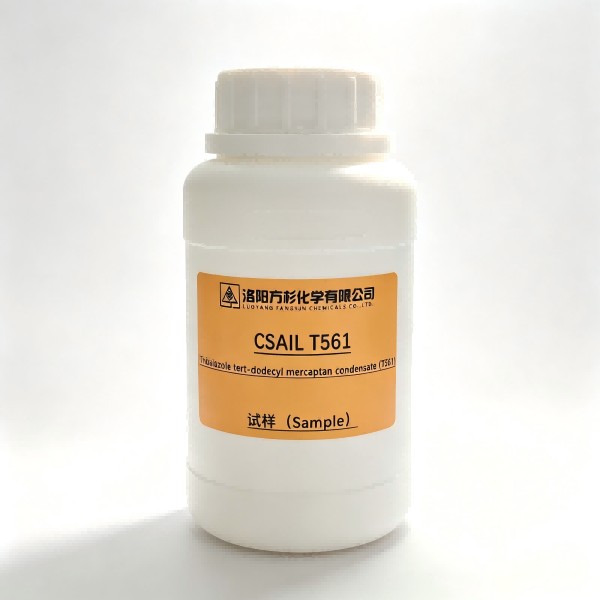
Thiadiazole tert-dodecyl mercaptan condensate CAS: 59656-20-1
CSAIL T561 is an ashless thiadiazole metal deactivator with excellent anti-active-sulfur corrosion and antioxidant synergistic properties.
Read More Get A Quote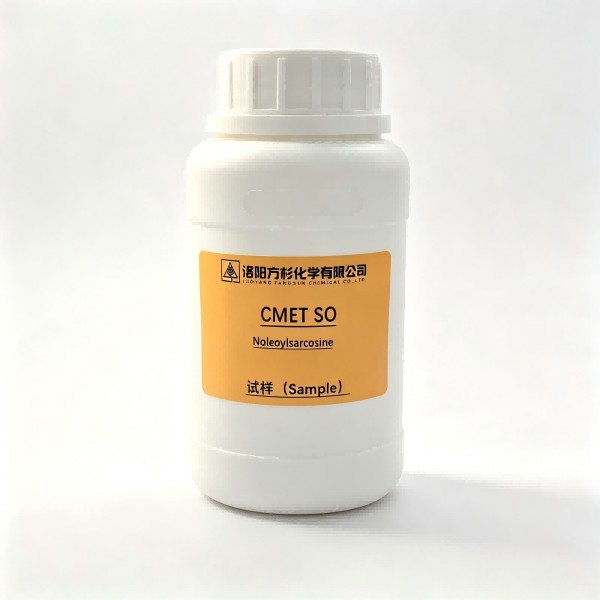
N-acyl sarcosine type corrosion inhibitor CAS:110-25-8
CMET SO is an N-acyl sarcosine high-efficiency rust inhibitor with copper non-corrosive property and food-grade formulation compatibility.
Read More Get A Quote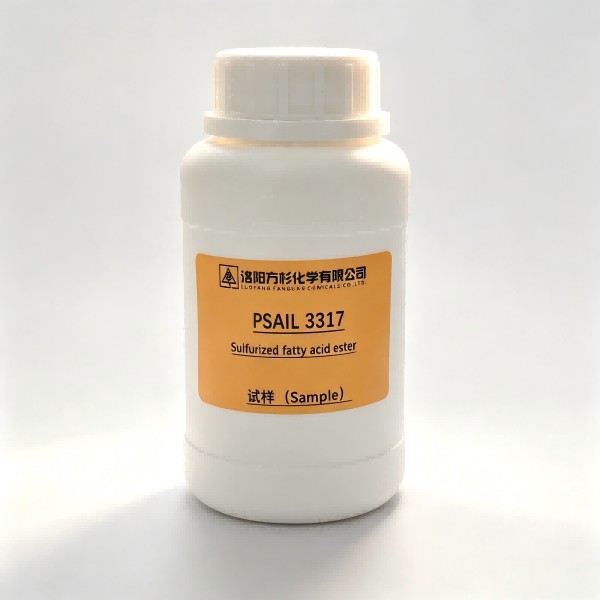
Sulfurized fatty acid ester CAS:72102-30-8
Sulfurized fatty acid ester PSAIL 3317
Read More Get A Quote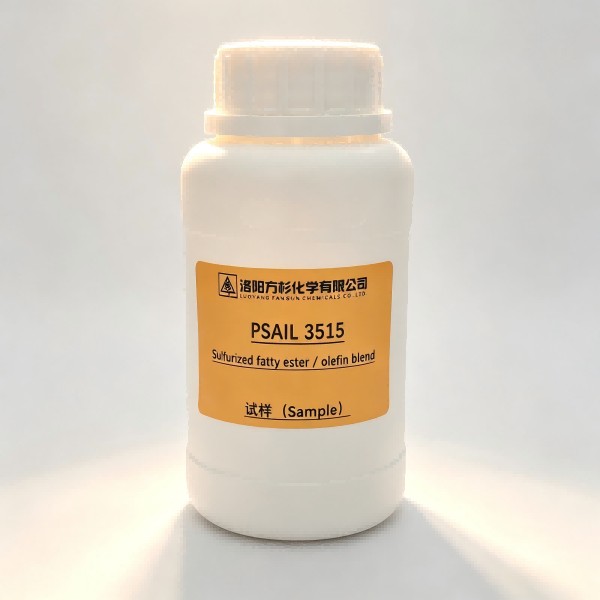
Sulfurized fatty ester / olefin blend
Sulfurized fatty ester / olefin blend PSAIL 3515
Read More Get A Quote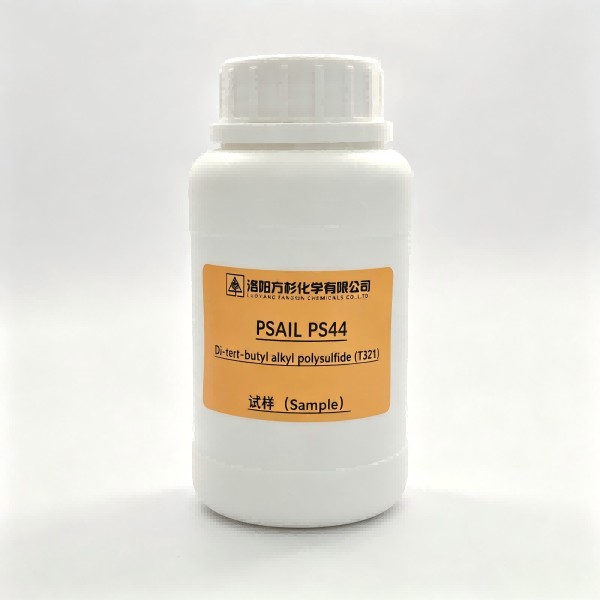
Di-tert-butyl alkyl polysulfide CAS:68937-96-2
Di-tert-butyl alkyl polysulfide PSAIL PS44
Read More Get A Quote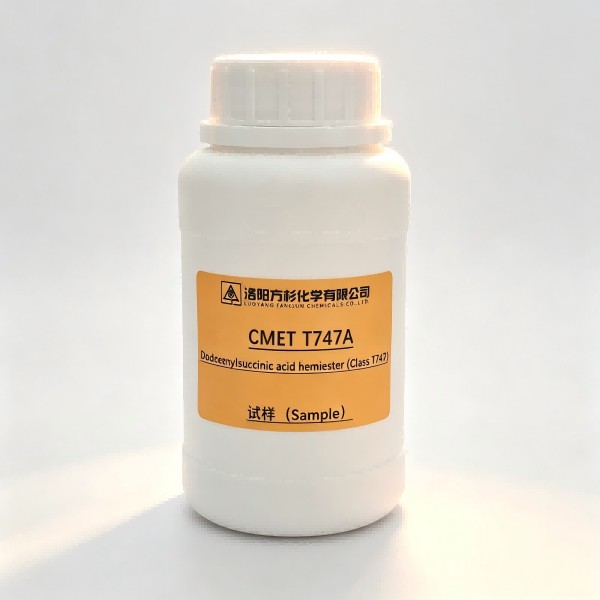
Dodecenylsuccinic acid hemiester
CMET T747A is a dodecenylsuccinic acid hemiester rust inhibitor with low acid value, excellent water resistance and superior demulsification properties.
Read More Get A Quote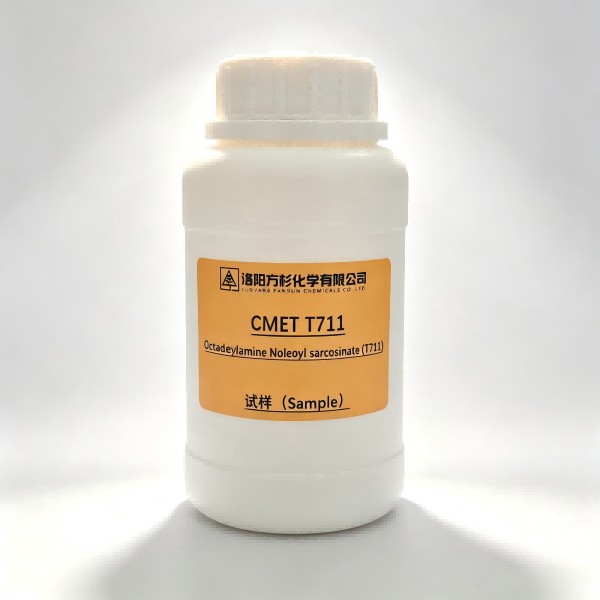
Octadecylamine N-oleoyl Sarcosinate
CMET T711 is an oil-soluble octadecylamine N-oleoyl sarcosinate rust inhibitor with multi-metal anti-rust and thin light film forming properties.
Read More Get A Quote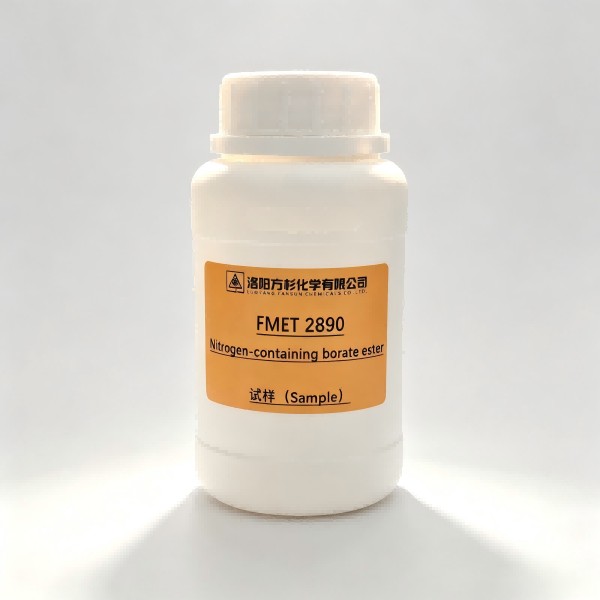
Nitrogen-containing boric acid esters
FMET 2890 is an ashless sulfur-phosphorus-free nitrogen boric acid ester friction modifier with excellent friction reduction, anti-wear and synergistic lubrication properties.
Read More Get A Quote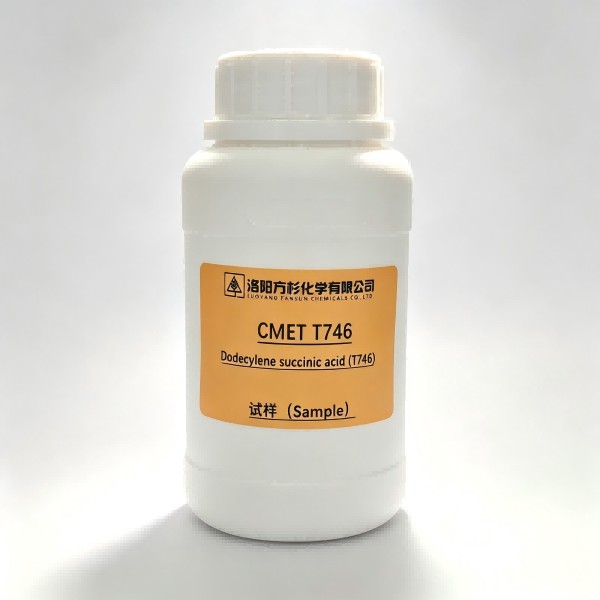
Dodecylene succinic acid CAS:29658-97-7
CMET T746 is an ashless dodecylene succinic acid rust inhibitor with excellent oil solubility and special BTA solubilizing properties.
Read More Get A Quote
 WhatsApp
 Email
 +8616638861155